Planning Your Iceland Adventure: What to Expect
Iceland has become one of the most sought-after destinations for travelers seeking dramatic landscapes, unique experiences, and unforgettable adventures. From the stunning Northern Lights to geothermal hot springs and cascading waterfalls, this Nordic island nation offers something for every type of traveler. However, Iceland is also known for having higher prices than many other European destinations, making it essential to plan your travel expenses carefully.
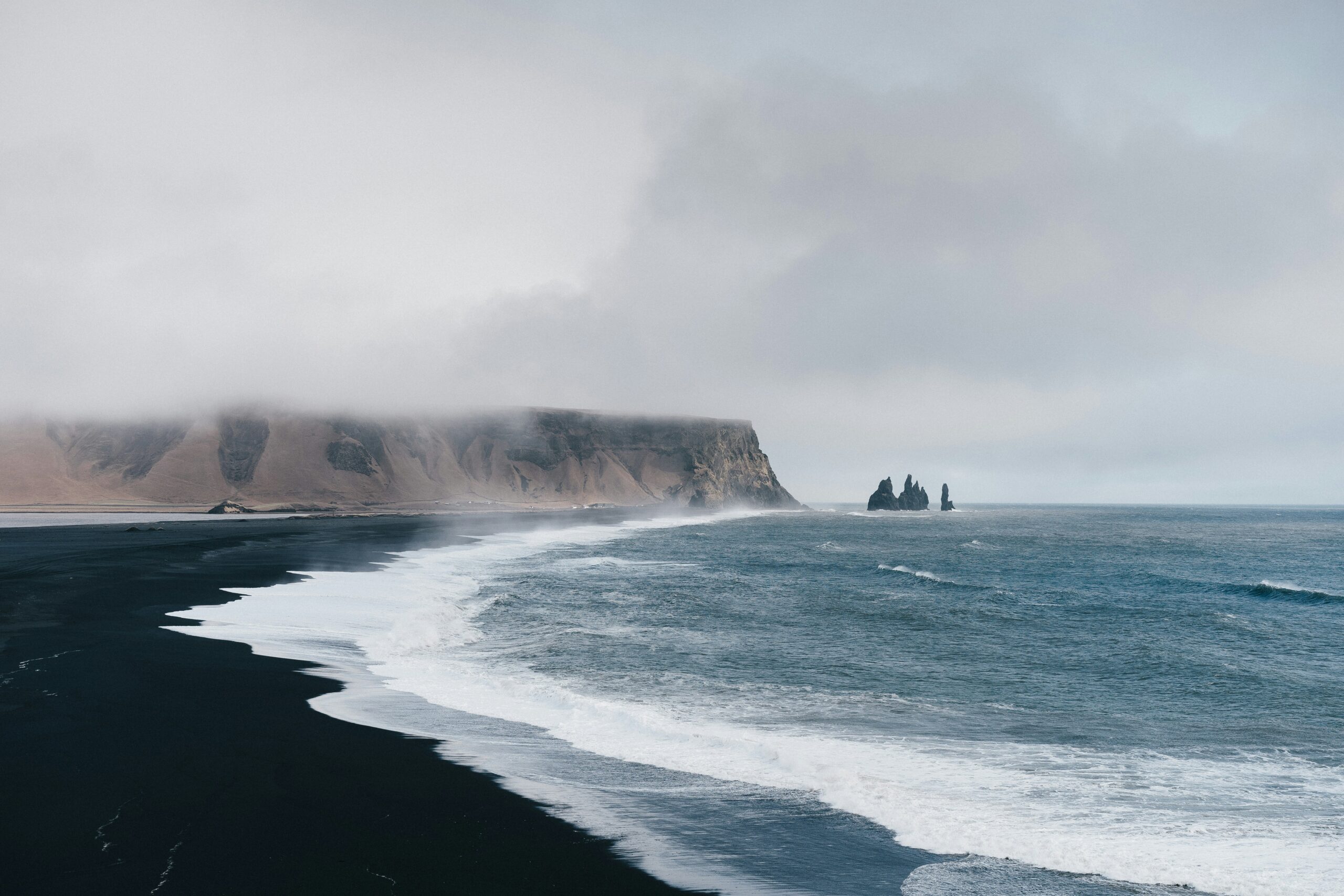
We took an amazing multi-generational family trip to Iceland with kids and found it a stunning place to visit with kids.
Whether you’re dreaming of a budget-friendly backpacking trip or planning a more comfortable getaway, understanding the costs involved will help you make the most of your Icelandic adventure. This comprehensive guide breaks down what you can expect to spend each day, covering everything from accommodation and meals to transportation and activities.
Understanding Iceland’s Cost Structure
Before diving into specific numbers, it’s important to understand why Iceland tends to be pricier than other destinations. The island nation imports most of its goods, has a small population, and experiences high demand from tourists year-round. Additionally, the strong Icelandic króna and relatively high wages contribute to elevated prices across most categories.
That said, with smart planning and the right tools, you can absolutely visit Iceland without breaking the bank. Knowing where your money goes and how to optimize your spending makes all the difference.
Accommodation: Finding Your Home Base
Where you sleep will likely be one of your largest daily expenses in Iceland. Accommodation options range from budget hostels to luxury hotels, with prices varying significantly based on season and location.
Budget Options
Hostels and guesthouses offer the most economical choices, typically ranging from $30-60 per night for a dorm bed or basic private room. Many hostels provide kitchen facilities, allowing you to save money by preparing your own meals. Camping is another ultra-budget option during summer months, with campsite fees around $15-25 per person per night.
Mid-Range Choices
For those seeking more comfort, mid-range hotels, Airbnb rentals, and farm stays typically cost $100-200 per night. These options often include private bathrooms, more space, and sometimes breakfast. Booking outside peak season or in smaller towns can help reduce these costs.
Luxury Accommodations
High-end hotels, boutique properties, and unique stays like glass igloos or countryside retreats can range from $250 to over $500 per night, offering premium amenities and exceptional locations.
Food and Dining Costs
Eating out in Iceland can quickly add up, but there are strategies to manage your food budget effectively.
Grocery Shopping
Shopping at supermarkets like Bónus, Krónan, or Nettó and preparing your own meals is the most budget-friendly approach. Expect to spend $15-25 per person daily on groceries. Stock up on bread, cheese, pasta, and other staples to keep costs down.
Restaurant Meals
A casual meal at an inexpensive restaurant typically costs $15-25, while a mid-range dinner for two with drinks can easily reach $80-120. Fast food and food trucks offer slightly cheaper options at $12-18 per meal. Traditional Icelandic dishes like lamb soup or fish and chips are worth trying at least once during your visit.
Money-Saving Food Tips
Consider having a hearty breakfast and lunch, then opting for lighter dinners. Many accommodations include breakfast, which can significantly reduce daily food costs. Gas station hot dogs are an Icelandic institution and surprisingly affordable at around $4-5.
Getting Around: Transportation Expenses
How you choose to travel around Iceland will significantly impact your overall budget.
Rental Cars
Renting a car offers the most flexibility and is often the preferred option for exploring Iceland thoroughly. Basic compact cars start around $50-70 per day in low season, while 4×4 vehicles (necessary for highland roads and winter travel) range from $100-200 per day. Don’t forget to factor in fuel costs, which are approximately $6-8 per gallon.
Public Transportation and Tours
While Iceland’s public bus system is limited, it can work for visiting major attractions from Reykjavik. Day tours are popular and convenient, typically costing $80-150 per person depending on the destination and inclusions. Multi-day tour packages can offer better value if you prefer not to drive.
Hitchhiking and Carpooling
Budget travelers sometimes hitchhike or use carpooling apps to reduce transportation costs, though this requires flexibility and patience.
Ready to see how these costs apply to your specific situation? Try our trip budget calculator to get personalized estimates based on your travel style and preferences. It takes just 30 seconds!
Activities and Attractions
Iceland’s natural wonders are one of its biggest draws, and fortunately, many of the most spectacular sights are completely free.
Free Attractions
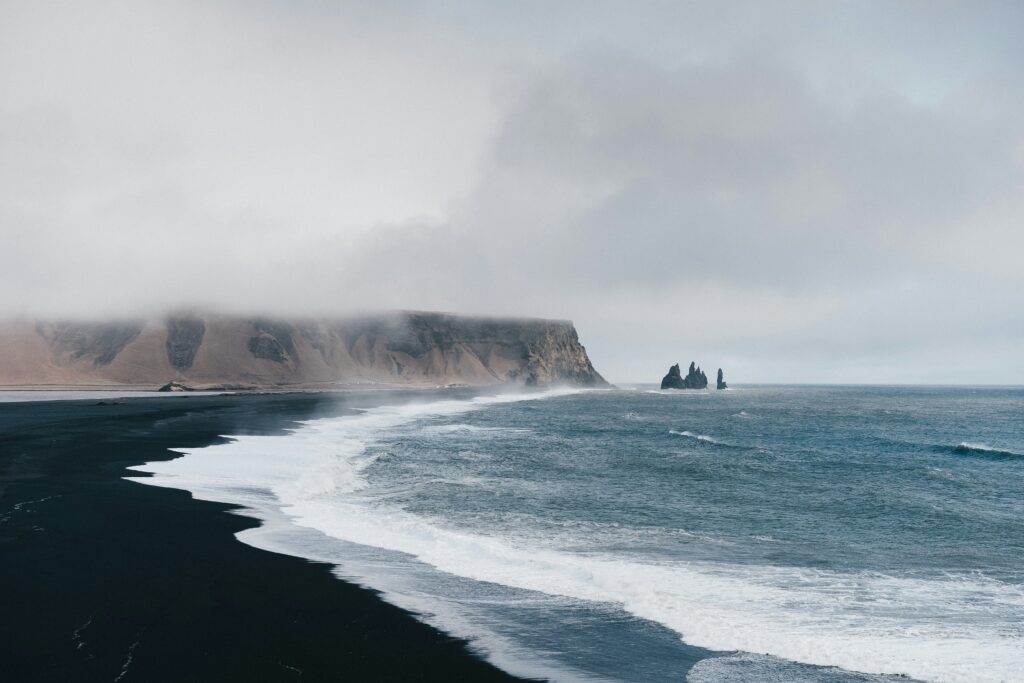
Numerous waterfalls, black sand beaches, geothermal areas, and scenic viewpoints don’t charge admission. The famous Golden Circle route, Skógafoss and Seljalandsfoss waterfalls, and many hiking trails can be enjoyed without spending a króna.
Paid Experiences
Popular paid attractions include the Blue Lagoon ($60-100), glacier hiking tours ($100-150), whale watching excursions ($80-120), and ice cave explorations ($100-180). Museums in Reykjavik typically charge $8-15 for admission.
Balancing Your Activity Budget
Plan to splurge on one or two bucket-list experiences while filling the rest of your itinerary with free natural attractions. This approach allows you to enjoy Iceland’s highlights without overspending.
Sample Daily Budgets for Different Travel Styles
To help you visualize what your Iceland trip might cost, here are three sample daily budgets:
Budget Traveler: $70-100 per day
- Hostel accommodation: $35-50
- Groceries and self-catered meals: $20-25
- Shared transportation or hitchhiking: $10-15
- Free attractions with occasional paid activity: $5-10
Mid-Range Traveler: $150-250 per day
- Mid-range hotel or Airbnb: $100-150
- Mix of restaurant meals and groceries: $40-60
- Rental car (shared cost): $25-40
- Regular paid activities and attractions: $20-40
Luxury Traveler: $350+ per day
- Upscale accommodation: $250-500+
- Restaurant dining for all meals: $80-120
- Private car rental or tours: $50-100
- Premium experiences and activities: $50-100+
These figures are per person and can vary based on season, specific locations, and individual choices.
Seasonal Considerations
When you visit Iceland makes a substantial difference in what you’ll pay.
Summer (June-August)
Peak season brings the highest prices for accommodations and tours, but also offers 24-hour daylight, accessible roads, and the best weather. Book well in advance to secure better rates.
Winter (November-March)
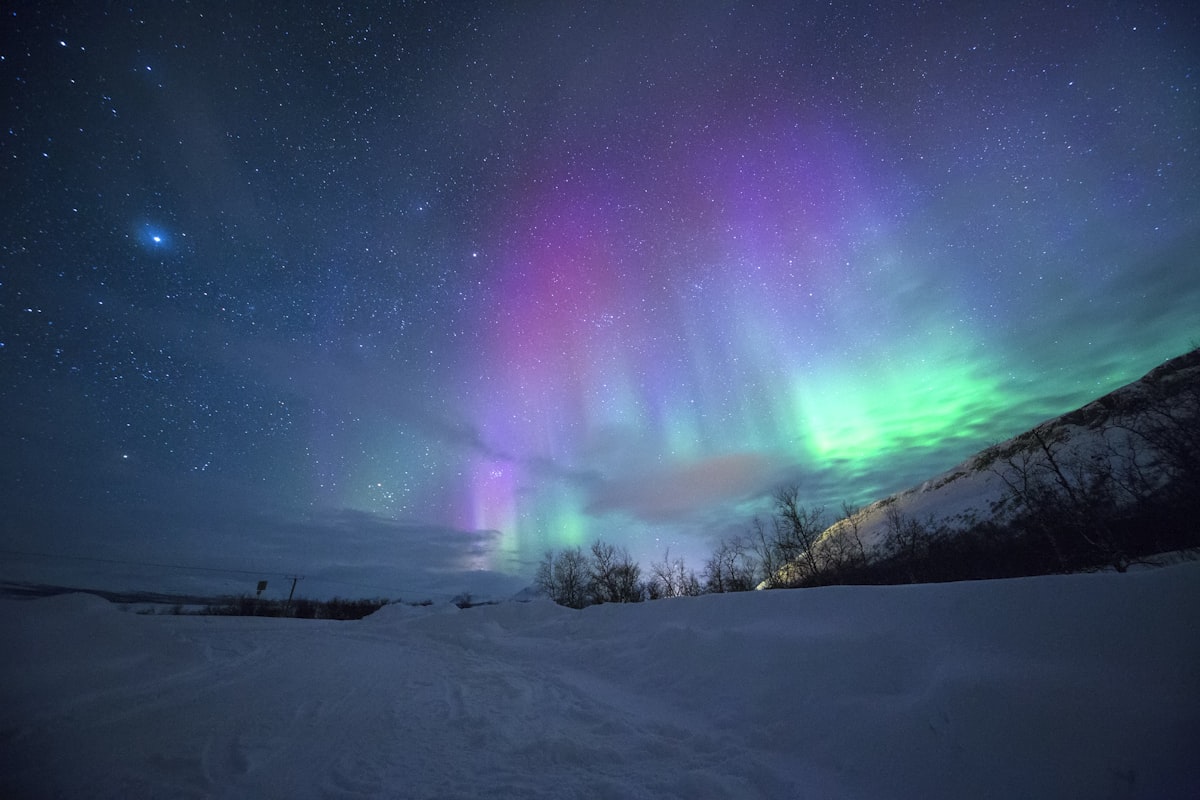
Prices drop considerably, and you’ll have opportunities to see the Northern Lights. However, some roads close, daylight is limited, and weather can be challenging. Winter requires more planning but offers significant savings.
Shoulder Seasons (April-May, September-October)
These months offer the best balance of reasonable prices and decent weather. You’ll encounter fewer crowds and moderate costs while still accessing most attractions.
Money-Saving Strategies
Here are proven ways to reduce your expenses while visiting Iceland:
- Book flights well in advance and be flexible with dates to find the best deals
- Stay in accommodations with kitchen facilities and cook most meals
- Fill up on free breakfast if included with your accommodation
- Visit during shoulder season for lower prices and fewer tourists
- Share rental car costs with travel companions
- Pack snacks and water for day trips
- Take advantage of happy hour specials at restaurants
- Prioritize free natural attractions over paid tourist experiences
- Purchase alcohol at duty-free upon arrival (liquor is expensive in Iceland)
- Use tap water (it’s excellent quality and free) instead of buying bottled water
Hidden Costs to Consider
Beyond the obvious expenses, budget for these often-overlooked costs:
- Rental car insurance (can add $20-40 per day)
- Parking fees in Reykjavik and at some attractions
- Toll roads and tunnel fees
- Gravel road damage waivers for rental cars
- Weather-appropriate clothing and gear if you don’t already own it
- SIM card or international phone plan
- Tips (not expected but appreciated for exceptional service)
Want a more accurate picture of what your Iceland adventure will cost? Use our trip budget calculator to factor in your departure city, travel dates, and personal preferences for a customized budget estimate!
Planning Your Flight to Iceland
Getting to Iceland is the first major expense to consider. Icelandair and other carriers offer competitive rates, especially if you book several months in advance. Budget airlines occasionally run special promotions that can significantly reduce airfare costs.
Flight prices vary dramatically based on departure city, season, and how far in advance you book. Summer flights from North America typically range from $400-800 roundtrip, while winter flights can be found for $250-500. European travelers often enjoy cheaper fares due to shorter distances.
Start planning your trip by searching for flights to Iceland to see current pricing from your city.
Finding the Perfect Accommodation
Once you’ve secured your flights, accommodation becomes the next priority. Iceland offers diverse lodging options across all budget ranges, from basic campsites to world-class luxury hotels.
Location matters significantly—staying in Reykjavik provides easy access to restaurants and nightlife but at higher prices, while countryside accommodations offer tranquility and often better value. Consider splitting your stay between different areas to experience various aspects of Iceland.
Browse hotel options in Iceland to compare prices and find accommodations that match your budget and preferences.
Must-Do Experiences Worth the Investment
While being budget-conscious is important, some experiences in Iceland are truly once-in-a-lifetime opportunities worth the splurge:
- Soaking in a geothermal hot spring (Blue Lagoon or lesser-known alternatives)
- Exploring an ice cave in winter
- Taking a glacier hiking tour
- Going whale watching from Húsavík or Reykjavik
- Diving or snorkeling between tectonic plates at Silfra
- Taking a helicopter tour over volcanic landscapes
- Riding Icelandic horses through stunning scenery
These activities range from $60 to $300+ per person but create memories that last a lifetime.
Discover and book activities and tours in Iceland to make the most of your visit.
Creating Your Personalized Iceland Budget
Every traveler is unique, and your ideal Iceland budget depends on numerous factors: your travel style, group size, preferred activities, time of year, and how long you’re staying. While average daily costs provide a helpful starting point, your actual expenses may vary significantly.
The key to successful budget planning is understanding where you’re willing to splurge and where you’re happy to save. Some travelers prioritize comfortable accommodations and are willing to pack sandwiches for lunch. Others prefer budget hostels but want to experience every possible adventure activity.
Consider creating a detailed itinerary that outlines your expected costs for each day, building in a buffer of 15-20% for unexpected expenses or spontaneous opportunities. This approach helps ensure you can enjoy your trip without constant worry about overspending.
Final Thoughts on Budgeting for Iceland
Iceland’s reputation as an expensive destination is well-earned, but with thoughtful planning and smart choices, it’s accessible to travelers across various budget ranges. The country’s extraordinary natural beauty, unique culture, and incredible experiences make it worth every penny.
Remember that costs can vary significantly based on your personal choices and circumstances. What one traveler considers essential, another might view as optional. The most important thing is creating a budget that works for your financial situation while allowing you to enjoy the experiences that matter most to you.
Start planning early, research thoroughly, and don’t be afraid to mix budget-friendly strategies with occasional splurges. Iceland rewards flexible travelers who are willing to adapt their plans based on weather, opportunities, and discoveries made along the way.
Get started with your Iceland trip planning today! Use our trip budget calculator for a personalized cost estimate based on your specific travel details, then search for flights, compare hotels, and book activities to turn your Iceland dreams into reality.