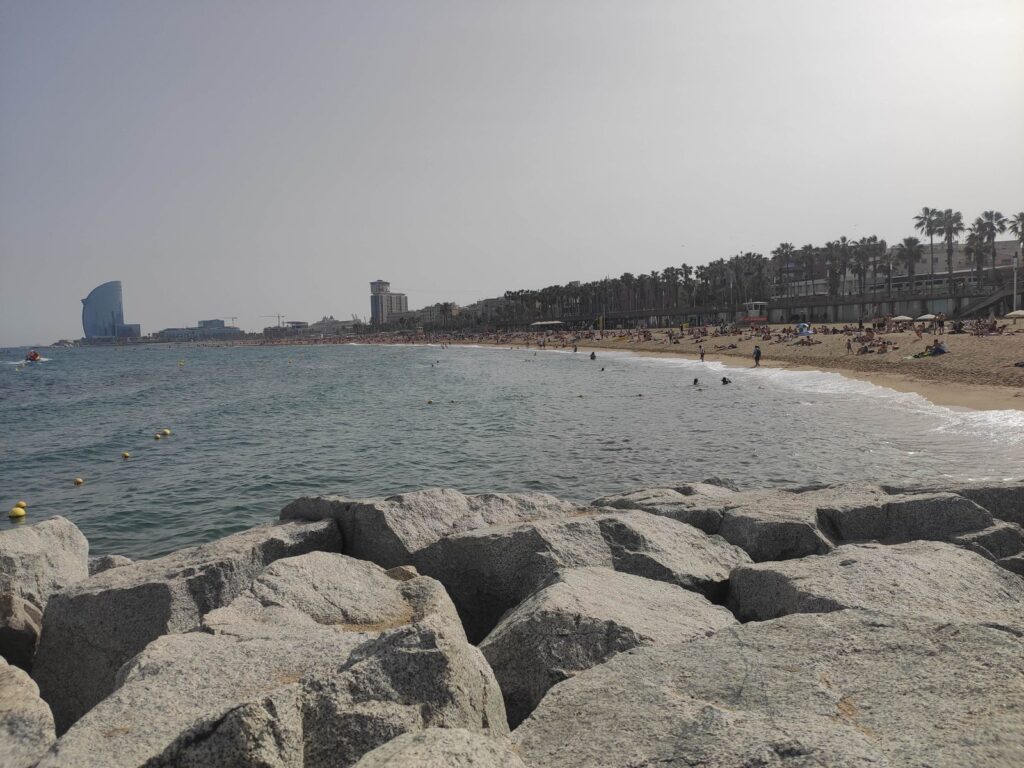
Barcelona is one of Europe’s most iconic cities — sun-drenched beaches, world-class architecture, incredible food, and a nightlife scene that runs until sunrise. But it’s also known for being expensive, especially in summer. So is Barcelona actually worth visiting in summer, or will it drain your travel budget faster than a round of sangria on Las Ramblas? The short answer: it depends entirely on how you plan. This 2026 cost guide breaks down what you’ll actually spend on accommodation, food, transport, and activities during peak season, plus honest tips on how to make your euros go further.

How Much Does Accommodation Cost in Barcelona in Summer?
Summer (June–August) is peak season in Barcelona, and accommodation prices reflect that. Hostels in dorm rooms typically run €20–€35 per bed per night — up from €15–€25 in the shoulder season. Budget private rooms in guesthouses and affordable hotels start around €70–€90 per night for a basic double. Mid-range hotels in the Eixample or Gràcia neighborhoods average €130–€200 per night, while anything in the Gothic Quarter or near the beach commands a premium, often €180–€280 for a decent three-star. Luxury hotels and boutique stays can easily hit €300–€500+ per night in July.
The good news: staying slightly outside the tourist core — in Poblenou, Sant Martí, or Sants — can save you 20–35% compared to central options. Booking 6–8 weeks in advance is essential in summer; last-minute deals are rare. Airbnb and apartment rentals are also popular, averaging €80–€140/night for a studio, though Barcelona has tightened short-term rental regulations, so verify listings are legally registered. Search Barcelona hotel deals to compare current prices across the city.
Food Costs: Eating in Barcelona on Any Budget
Food in Barcelona is one of the highlights — and one of the most budget-variable expenses. The single best value move is the menú del día: a two- or three-course lunch with wine or water for €12–€16, offered at most traditional restaurants on weekdays. This is how locals eat, and the quality is genuinely good. Avoid any restaurant on Las Ramblas or directly adjacent to major monuments — you’ll pay €18–€25 for a mediocre paella.
For cheaper eating: a bocadillo (sandwich) from a bar costs €3–€5, a coffee is €1.20–€2, and a glass of house wine is typically €2–€4. Eating at a market like Mercat de Santa Caterina (locals’ alternative to the touristy Boqueria) is both cheaper and more authentic. A realistic food budget ranges from €20–€25 per day (budget, mostly self-catering and menú del día) to €45–€70 per day for sit-down meals, tapas bars, and occasional drinks out.
Transport: Getting Around Barcelona
Barcelona’s public transport network is excellent and affordable. A single metro or bus ride costs €2.55, but the T-Casual 10-trip card (€11.35) is far better value — covering metro, bus, tram, and local FGC trains. A 48-hour tourist transport card costs €16.40 and may be worth it for heavy sightseers. Taxis start at around €2.50 plus €1.18/km, and Uber and Cabify are available and often slightly cheaper than taxis for longer rides.
Getting to Barcelona: flights from major European hubs are typically €40–€120 return in summer — book 6–10 weeks out for the best deals. From the UK, Ryanair and Vueling frequently offer sub-€80 returns. From North America, direct flights from New York or Miami run €400–€700 return in summer peak, dropping to €300–€500 if you book early or fly mid-week. Search cheap flights to Barcelona to find the best current fares for your route.
Activities and Entrance Fees
Barcelona’s biggest budget trap is its attractions — if you want to see everything, costs add up fast. The Sagrada Família is a must-see, but entry costs €26–€40 depending on whether you add a tower visit and audio guide. Book weeks in advance in summer; same-day tickets are frequently sold out. Park Güell’s monumental zone costs €10 (timed entry, also books up fast). The Picasso Museum runs €14, and the MNAC (National Art Museum) is €12.
On the free side: the Gothic Quarter and El Born are best explored on foot at no cost, the Barceloneta beach is free, and many museums offer free entry on the first Sunday of the month. Casa Batlló and Casa Milà (La Pedrera) are spectacular but expensive — €35–€55 each — so prioritize one over the other unless Gaudí is your primary reason for visiting. A reasonable activities budget is €30–€60 per day in summer if you’re doing major attractions, or under €15 if you stick to free sights and beaches. Browse Barcelona tours and activities and book ahead to avoid summer sellouts.
Sample Daily Budgets for Barcelona in Summer 2026
Here’s what a realistic day in Barcelona actually costs depending on your travel style:
| Category | Budget Traveler | Mid-Range | Splurge |
|---|---|---|---|
| Accommodation (per night) | €25–€35 (hostel dorm) | €130–€160 (hotel) | €280–€400 (boutique) |
| Food | €20–€25 | €40–€55 | €80–€120 |
| Transport | €5–€8 (metro) | €8–€15 | €20–€35 (taxis/Uber) |
| Activities | €0–€15 (free sights) | €30–€50 | €60–€100 |
| Daily Total | €50–€83 | €208–€280 | €440–€655 |
Is Summer Worth It? Honest Verdict for 2026
Summer in Barcelona means peak prices, peak crowds, and peak heat — but also long beach days, outdoor festivals, and the city at its most alive. The honest answer: summer is worth it if you book accommodation early (6–8 weeks out minimum), visit major attractions at opening time or with pre-booked timed entry, and embrace the local rhythm of late lunches and even later dinners. If you’re sensitive to crowds or heat, or if budget is a primary concern, late September and early October offer nearly identical weather at 20–30% lower costs across the board.
The two months to be most cautious about: late July and August, when the city swells with international tourists and accommodation prices peak. Mid-June offers the best balance — school holidays haven’t fully kicked in, the weather is excellent, and prices are slightly more forgiving. If you must travel in peak August, stick to neighborhoods like Gràcia, Poblenou, or Sarrià-Sant Gervasi where tourist markup is lower and you’ll feel more like a local.
Top Tips for Saving Money in Barcelona This Summer
The biggest savings come from a few key habits. Eat your main meal at lunch using the menú del día — this single habit can save you €15–€25 per day compared to dinner restaurant pricing. Book the Sagrada Família and Park Güell timed-entry tickets as soon as your travel dates are confirmed — not only do you guarantee entry, but you avoid the premium prices of last-minute third-party ticket sellers. For beaches, skip Barceloneta (overcrowded, overpriced nearby bars) and head to Bogatell or Mar Bella beach, which are cleaner, less touristy, and have cheaper adjacent cafés.
Use the T-Casual transport card rather than single-ride tickets. Stay in Eixample, Gràcia, or Poblenou rather than the Gothic Quarter to cut accommodation costs significantly. Happy hour (known locally as vermut hour, roughly 12–2pm) offers drinks and tapas at much lower prices than evening service. And always walk the Passeig de Gràcia to see the Modernista buildings’ exteriors for free before deciding if you want to pay for interior entry.
Ready to build your personalized Barcelona budget? Use our free AI trip budget calculator to get a detailed cost estimate based on your travel style and dates — or search cheap flights to Barcelona, compare Barcelona hotel prices, and book tours and activities to start planning your summer trip today.