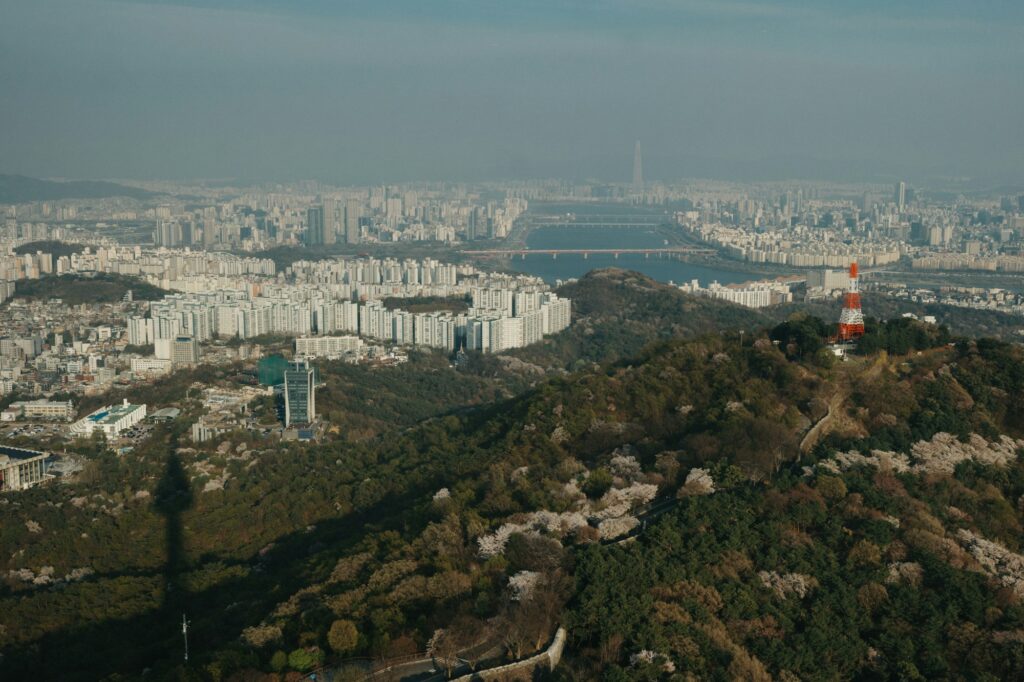
Seoul in autumn is one of those travel experiences people never stop talking about — blazing red and gold foliage lining ancient palace walls, crisp air perfect for street food crawls, and prices that dip noticeably once summer crowds thin out. But is it actually affordable? Whether you’re dreaming of leaf-peeping at Bukchon Hanok Village or wandering night markets in Myeongdong, here’s exactly what Seoul costs in the fall season of 2026.
Why Autumn Is a Sweet Spot for Seoul Travel
Seoul’s autumn window runs roughly from late September through mid-November, with peak foliage hitting in late October. Temperatures hover between 10°C and 20°C (50–68°F), making it comfortable for long walking days without the sweltering humidity of summer or the biting cold of winter. More importantly for budget travelers, autumn sits in a shoulder-to-peak pricing zone — cheaper than cherry blossom season (late March–April) and the major Korean holiday Chuseok, but slightly pricier than deep winter. If you time your trip for early October or early November, you’ll catch great color with lower rates.
Accommodation Costs in Autumn
Seoul offers a wide range of stays at every budget level. Hostels and guesthouses in popular neighborhoods like Hongdae and Jongno run $18–$35 per night for a dorm bed or basic private room. Mid-range hotels — clean, modern, and often near metro stations — cost $70–$130 per night. For a boutique or luxury experience in Gangnam or near Gyeongbokgung Palace, expect $180–$350 per night. Hanok stays (traditional Korean houses) are a unique autumn option and typically run $60–$150 per night depending on location and amenities. Search Seoul hotel deals to compare prices across neighborhoods and lock in shoulder-season rates.
Food and Dining Costs
Korean food is one of the best travel bargains in Asia. A filling meal at a local restaurant — bibimbap, kimchi jjigae, or a Korean BBQ lunch set — costs $6–$12. Street food staples like tteokbokki, hotteok, and mandu run $2–$5 per serving, and convenience stores (GS25, CU, 7-Eleven) offer surprisingly good meals for $3–$6. Mid-range dining — think samgyeopsal BBQ with soju at a sit-down spot — runs $15–$25 per person. Fine dining is available for $50–$100+ per person, but you absolutely don’t need it to eat well. Budget travelers can eat three satisfying meals a day for $18–$25, while mid-range foodies should plan for $35–$50 daily.
Getting There and Getting Around
Round-trip flights to Seoul (Incheon Airport) from major North American cities range from $650–$1,100 in autumn 2026, depending on your departure city and how far in advance you book. From Europe, expect $500–$900. Budget carriers like T’way and Jin Air offer cheap domestic or regional options if you’re already in Asia. Search cheap flights to Seoul to compare across airlines and dates.
Once in Seoul, transportation is remarkably affordable. The metro system covers the entire city for $1.30–$2.00 per ride using a T-money card. Buses cost about the same. A taxi across town rarely exceeds $10–$15. The AREX express train from Incheon Airport to Seoul Station costs just $9. Most travelers spend $5–$10 per day on local transport.
Activities and Entrance Fees
Many of Seoul’s best autumn attractions are free or nearly free. Gyeongbokgung Palace costs just $3, and wearing a hanbok (traditional dress rental, $10–$20) gets you free entry to all major palaces. Bukchon Hanok Village, Namsan Tower trail, Cheonggyecheon Stream, and most neighborhood walks cost nothing. The DMZ tour — a popular excursion — runs $45–$80 depending on the operator. A Nami Island day trip (famous for autumn foliage) costs $15–$30 including ferry. For unique experiences, consider a Korean cooking class ($30–$60) or a K-pop dance class ($15–$25). Browse Seoul tours and activities to book popular experiences ahead of time, especially DMZ tours which sell out in peak autumn.
Sample Daily Budgets for Autumn Seoul
Here’s what a typical day costs depending on your travel style:
| Category | Budget | Mid-Range | Splurge |
|---|---|---|---|
| Accommodation | $22–$35 | $80–$130 | $200–$350 |
| Food | $18–$25 | $35–$50 | $70–$100 |
| Transport | $5–$8 | $8–$15 | $20–$40 |
| Activities | $5–$15 | $20–$40 | $50–$100 |
| Daily Total | $50–$83 | $143–$235 | $340–$590 |
Budget travelers who stick to guesthouses, street food, free attractions, and the metro can absolutely enjoy Seoul for $50–$80 per day. Mid-range visitors will find $140–$230 covers comfortable hotels, good restaurants, and plenty of paid activities. Luxury travelers can spend $350+ daily on boutique hanok stays, fine dining, and private tours.
Money-Saving Tips for Autumn Seoul
A few strategies can stretch your won significantly. First, buy a Discover Seoul Pass ($35–$70 for 24–72 hours) if you plan to visit multiple paid attractions — it covers palace entries, Namsan Tower, and more. Rent a hanbok for free palace access (and incredible autumn photos). Eat at local spots rather than tourist-facing restaurants near Myeongdong — neighborhoods like Mangwon, Euljiro, and Ikseon-dong offer better food at local prices. Shop at underground malls and Dongdaemun Market instead of Gangnam boutiques. Book your DMZ tour at least two weeks ahead for the best rates. And consider flying midweek — Tuesday and Wednesday flights to Seoul are consistently 15–25% cheaper than weekend departures.
Is Autumn Seoul Worth It? The Verdict
Absolutely. Seoul in autumn delivers world-class scenery, incredible food, and a vibrant culture at prices well below comparable cities like Tokyo or Hong Kong. Budget travelers can have a rich experience for $50–$80 per day, and even mid-range visitors will find the value outstanding compared to most major Asian capitals. The combination of perfect weather, stunning foliage, and shoulder-season pricing makes September through November one of the smartest times to visit.
Use our free AI trip budget calculator to build a personalized Seoul budget based on your travel style — or search flights, find hotels, and book activities to start planning your autumn Seoul trip today.