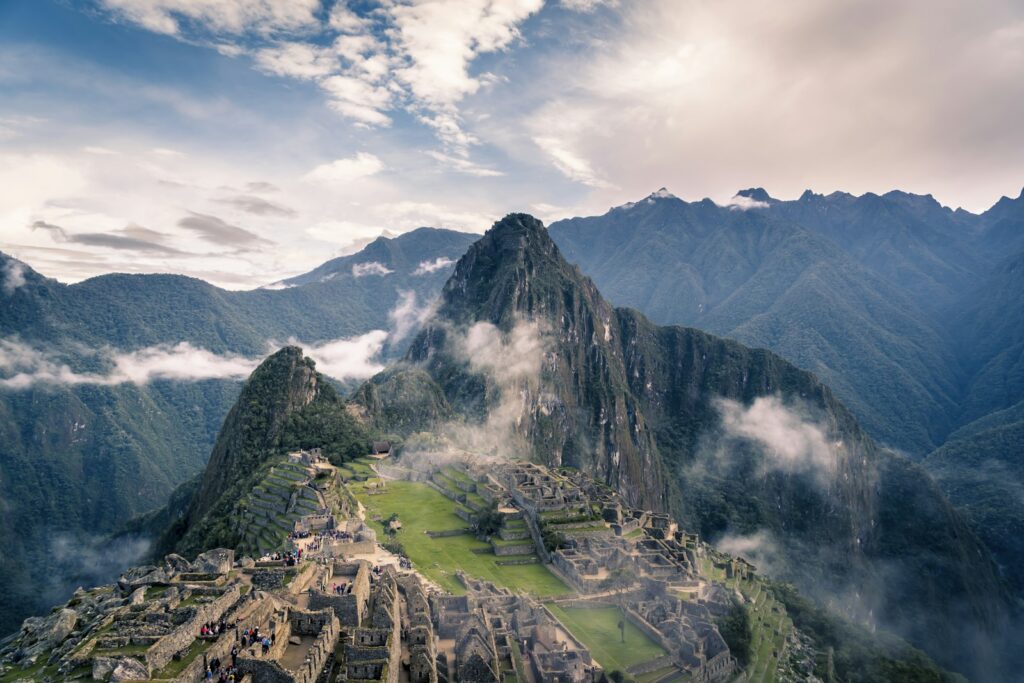
Peru is one of the most breathtaking destinations in South America — home to Machu Picchu, the Amazon rainforest, and the colorful streets of Cusco. But here’s the thing most travelers don’t know: when you visit matters enormously for your budget. Prices for flights, hotels, and tours can swing by 30–50% depending on the month. This guide breaks down the cheapest time to visit Peru and exactly why, so you can plan a trip that doesn’t drain your savings.
The Cheapest Month to Visit Peru
The short answer: May is widely considered the sweet spot for budget travelers. It falls right at the tail end of the rainy season (which runs November through April), meaning crowds haven’t yet arrived in force and prices haven’t spiked to peak-season levels. June through August is Peru’s dry season and its busiest — that’s when Machu Picchu is at its most photogenic but also its most expensive and crowded. If you can handle a bit of unpredictable afternoon rain, visiting in April or May gives you the best combination of lower prices, manageable crowds, and still-green landscapes.
For those with total flexibility, November is another hidden gem. It’s the start of the shoulder season before high tourist volumes return, and you’ll often find hotel rates 20–30% cheaper than the July peak. The trade-off is more frequent rain in the Sacred Valley region.
Accommodation Costs in Peru by Season
Accommodation in Peru ranges wildly depending on where you stay and when. In Cusco — the main gateway to Machu Picchu — budget hostels run $10–$20/night in the low season (January–April), rising to $18–$35/night during the June–August peak. Mid-range hotels in Cusco average $45–$80/night outside peak periods and $70–$130/night during high season.
Lima, Peru’s capital and likely your entry point, is generally more affordable than Cusco. Budget guesthouses in the Miraflores and Barranco neighborhoods start around $20–$35/night. Aguas Calientes (the small town directly below Machu Picchu) is the most expensive place to stay in the country — budget options start at $40/night and mid-range hotels easily run $100–$180/night in high season. If you’re trying to save money, stay in Ollantaytambo or Cusco and do Machu Picchu as a day trip or early-morning entry.
Search Peru hotel deals to compare prices across dates — you’ll often find the same hotel drops significantly outside July and August.
Food Costs: What to Expect in Peru
Peru has a world-class food scene — and it’s remarkably affordable if you eat like a local. A menu del día (set lunch) at a local restaurant in Cusco or Lima includes a soup, main course, and drink for just $3–$6. Street food like anticuchos (grilled beef heart skewers) or empanadas run $0.50–$2. Even a sit-down meal at a mid-range restaurant in Miraflores (Lima’s upscale neighborhood) will rarely exceed $12–$18 per person.
Fine dining is the exception — Lima is home to several of the world’s top-ranked restaurants, and a tasting menu at somewhere like Central or Maido can run $150–$250 per person. But for everyday eating, Peru is one of the most wallet-friendly destinations in South America. Budget travelers can eat well on $12–$18/day, while mid-range travelers spending freely should budget around $25–$40/day for food.
Flights to Peru: When to Book for the Best Prices
Flights to Lima (LIM) from the US typically range from $400–$700 round-trip from major East Coast cities and $500–$850 from the West Coast, in economy. The cheapest months to fly are generally January, February, and November — outside of holiday blackout windows and before/after the peak dry season rush. July and August see a significant spike, with some routes jumping 40–60% above the annual average.
Booking 6–10 weeks in advance tends to yield the best fares for Peru travel. Last-minute deals are rare given consistent demand. If you’re flexible on dates, flying mid-week (Tuesday or Wednesday) often shaves another $50–$100 off your fare. Search cheap flights to Peru and set up price alerts so you catch deals as soon as they drop.
Activities and Entrance Fees
This is where Peru costs can surprise travelers — particularly Machu Picchu. As of 2026, entrance to Machu Picchu requires an advance timed-entry ticket: $60 per adult for the standard circuit. Tickets sell out months in advance during peak season (June–August), so if you’re visiting then, book as early as possible. In the low season, tickets are easier to obtain but still require advance booking through the official government portal.
The Inca Trail requires a permit ($530–$600 for the 4-day guided trek, all-inclusive), while alternative treks like the Salkantay or Lares routes typically run $250–$400 for 4–5 days and don’t sell out as quickly. Beyond Machu Picchu, Peru’s other highlights are genuinely affordable: a full-day tour of the Sacred Valley costs $25–$40, a boat ride on Lake Titicaca and homestay visit runs $50–$80, and a food tour of Lima can be found for $30–$50. Browse Peru tours and activities to compare options and book ahead for the busy season.
Sample Daily Budgets for Peru
| Budget Level | Daily Estimate | What’s Included |
|---|---|---|
| Backpacker / Budget | $35–$55/day | Hostel dorm, set lunches, local buses, free sights |
| Mid-Range | $80–$130/day | Private hotel room, restaurant meals, guided tours |
| Comfortable Splurge | $180–$280/day | Boutique hotel, fine dining, premium experiences |
Note: These estimates exclude Machu Picchu entrance ($60) and long-distance flights — add those as one-time costs. A typical 10-day Peru trip for a budget traveler runs $700–$1,100 total (excluding flights), while a mid-range 10-day trip lands around $1,500–$2,200.
Tips for Saving Money in Peru
Travel in April, May, or November. You’ll save 20–40% on accommodation and tours compared to July–August peaks, while still enjoying Peru’s most iconic landscapes and experiences.
Stay outside Aguas Calientes. The town at the base of Machu Picchu is dramatically overpriced. Base yourself in Ollantaytambo (a lovely Inca town, 2 hours away) and take the train or bus on your entry day — you’ll save $50–$100 per night on your hotel.
Eat the set lunch (menu del día). Most Peruvian restaurants offer a subsidized 3-course lunch for locals between noon and 3pm. At $3–$6, it’s the best food value in the country — and often the same kitchen as the à la carte dinner menu.
Book Machu Picchu tickets the moment you decide to go. Peak season tickets sell out 3–4 months in advance. Booking late means either missing out or paying premium prices through third-party resellers.
Take buses over taxis and domestic flights where possible. Peru’s long-distance bus network is excellent and dramatically cheaper than flying. The Lima–Cusco route by air is $80–$150 one-way, while the Cruz del Sur overnight bus is $40–$60 and saves a night of accommodation (though it’s 22+ hours).
Peru Trip Cost Summary
| Expense | Budget | Mid-Range |
|---|---|---|
| Accommodation (per night) | $12–$25 | $50–$100 |
| Food (per day) | $12–$18 | $25–$45 |
| Local transport (per day) | $3–$8 | $10–$20 |
| Machu Picchu entrance | $60 (one-time) | $60 (one-time) |
| Activities / tours (per day) | $10–$20 | $35–$70 |
| Flights (round-trip from US) | $400–$600 | $500–$750 |
Ready to see exactly what your Peru trip will cost? Use our free AI trip budget calculator to build a personalized Peru budget based on your travel style, trip length, and spending habits — or search flights to Peru, find hotels in Peru, and book Peru tours and activities to start planning your trip today.